
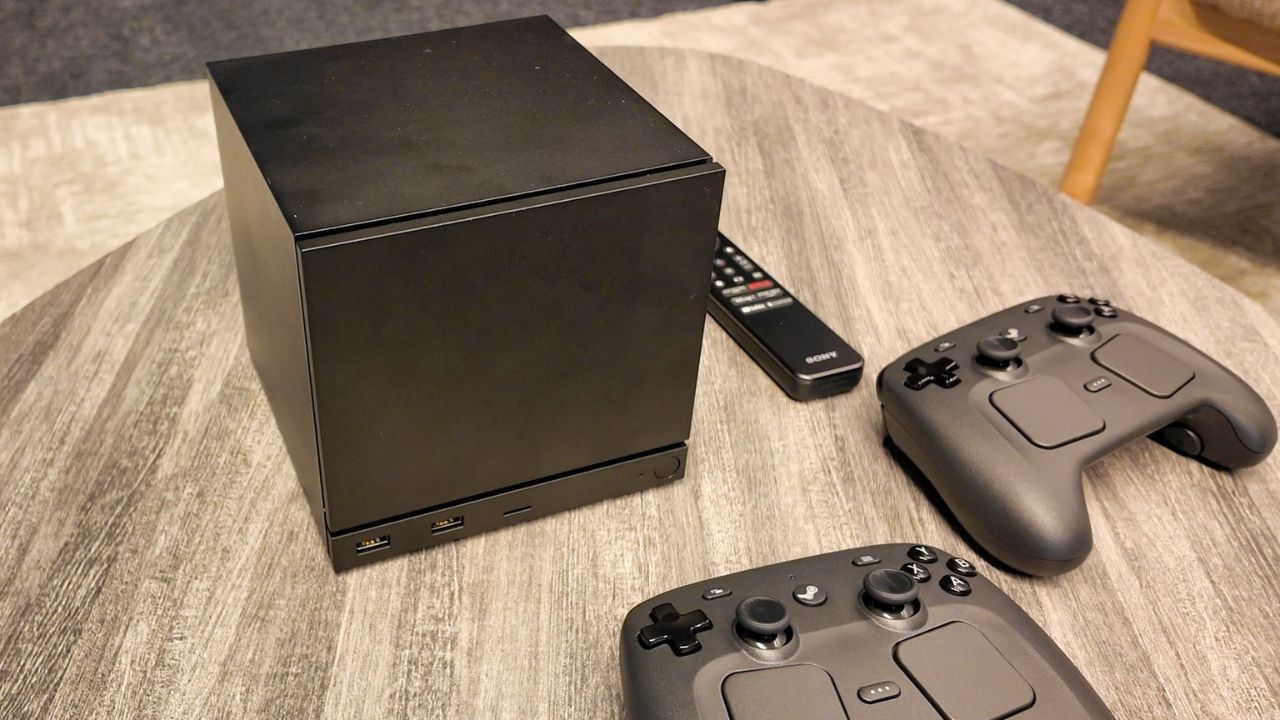
For years, the idea of a Steam Machine seemed like a failed experiment. Valve’s original attempt to bring PC gaming into the living room never gained significant traction, and most gamers eventually moved on. However, recent developments suggest that the concept may be getting a second chance.
Valve is reportedly expanding SteamOS support beyond handheld devices, opening the door for a new generation of gaming hardware that could revive the Steam Machine vision. With SteamOS becoming more flexible and compatible with a wider range of components, the company appears closer than ever to creating a true alternative to traditional gaming consoles.
SteamOS Is No Longer Just for the Steam Deck
One of the biggest developments is Valve’s continued effort to expand SteamOS compatibility.
Initially, SteamOS gained mainstream attention through the success of the Steam Deck. The handheld gaming PC proved that Valve’s Linux-based operating system could deliver a polished gaming experience without requiring Windows.
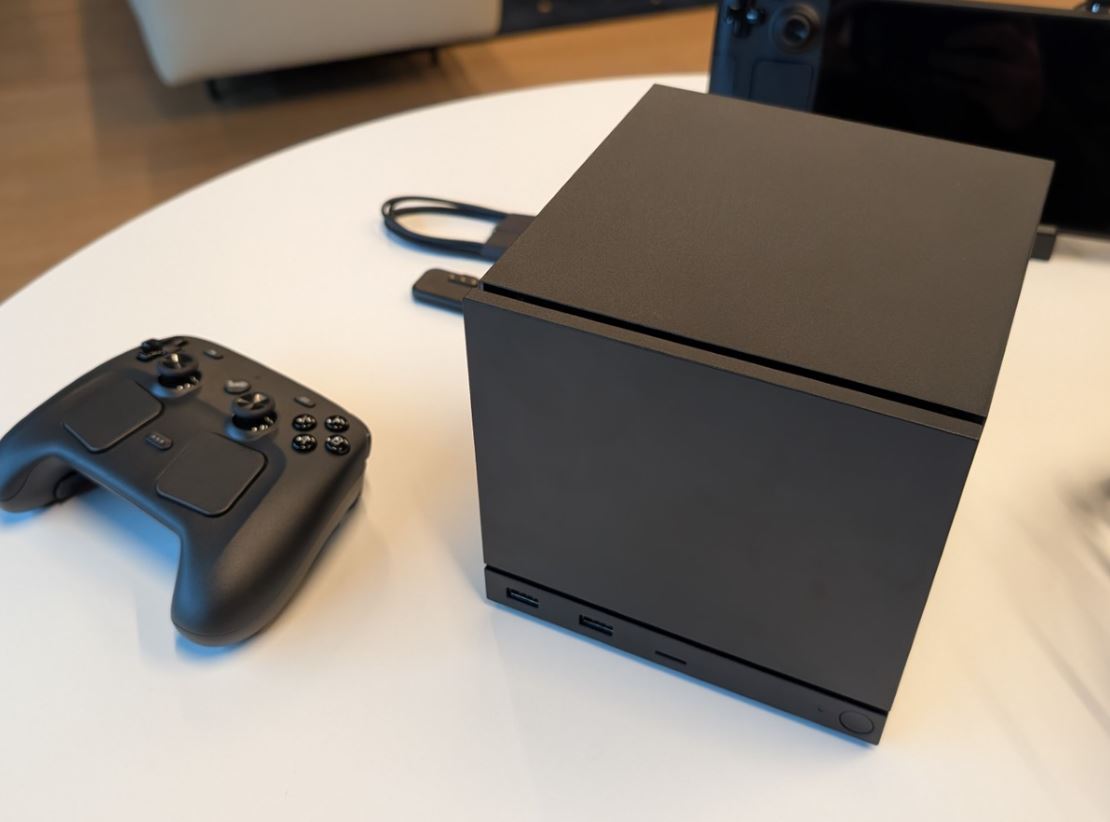
Now, reports indicate that Valve is improving SteamOS support for desktop systems and Nvidia graphics cards, making it easier for users to build or purchase gaming PCs that run entirely on Valve’s operating system. This significantly expands the potential reach of SteamOS beyond handheld gaming devices.
As hardware compatibility improves, the possibility of dedicated SteamOS-powered living room PCs becomes much more realistic.
Why Steam Machines Failed the First Time
When Valve introduced Steam Machines in 2015, the concept sounded promising.
The goal was simple: create console-like gaming PCs that could sit under a television while providing access to the massive Steam game library.
Unfortunately, several problems prevented widespread adoption.
Manufacturers released dozens of different Steam Machine models with varying specifications, creating confusion for consumers. Pricing often exceeded that of traditional consoles, while SteamOS lacked the game compatibility it enjoys today.
At the same time, Windows gaming remained the preferred option for most PC players.
As a result, the original Steam Machine initiative quietly faded away.
The Market Has Changed
The gaming landscape in 2026 looks very different from the environment that existed when Steam Machines first launched.
The success of the Steam Deck proved there is strong demand for hardware running SteamOS. Valve’s Proton compatibility layer has also dramatically improved Linux gaming support, allowing thousands of Windows games to run smoothly on SteamOS without requiring developers to create native Linux versions.
This technological progress solves one of the biggest issues that limited Steam Machines a decade ago.
Today, SteamOS can run a much larger portion of the Steam library, making it a far more practical operating system for mainstream gamers.
A Potential Alternative to Traditional Consoles
If SteamOS continues expanding, new Steam Machine-style devices could offer something unique.
Unlike traditional consoles, a SteamOS gaming system would provide access to:
- The full Steam storefront
- Frequent game discounts
- PC gaming flexibility
- Mod support for many titles
- No paid online multiplayer requirement
These advantages could appeal to gamers who want a console-like experience without being locked into a specific platform ecosystem.
Valve would essentially be creating a bridge between PC gaming and console gaming.
Nvidia Support Is a Major Step Forward
One of the most important developments involves Nvidia graphics cards.
Historically, Linux gaming has sometimes faced compatibility challenges with Nvidia hardware. Improved SteamOS support for Nvidia GPUs could significantly expand the number of systems capable of running Valve’s operating system effectively.
This matters because Nvidia remains one of the most popular graphics card manufacturers in the gaming market.
Better support means users may have more hardware choices when building SteamOS-powered gaming systems.
It also increases the likelihood that third-party manufacturers could release prebuilt SteamOS devices aimed at mainstream consumers.
Could Valve Release a New Steam Machine?
Valve has not officially announced a new Steam Machine.
However, industry observers have started speculating that the company may be laying the groundwork for future hardware initiatives.
Rather than repeating the original strategy of partnering with numerous manufacturers, Valve could potentially apply lessons learned from the Steam Deck’s success.
A streamlined hardware approach, combined with a mature SteamOS platform, would likely be much easier for consumers to understand than the fragmented Steam Machine ecosystem of the past.
Even if Valve does not release its own hardware, expanded SteamOS support could encourage other companies to build living room gaming systems around the platform.
The Growing Importance of SteamOS
SteamOS has evolved from a niche experiment into one of Valve’s most important projects.
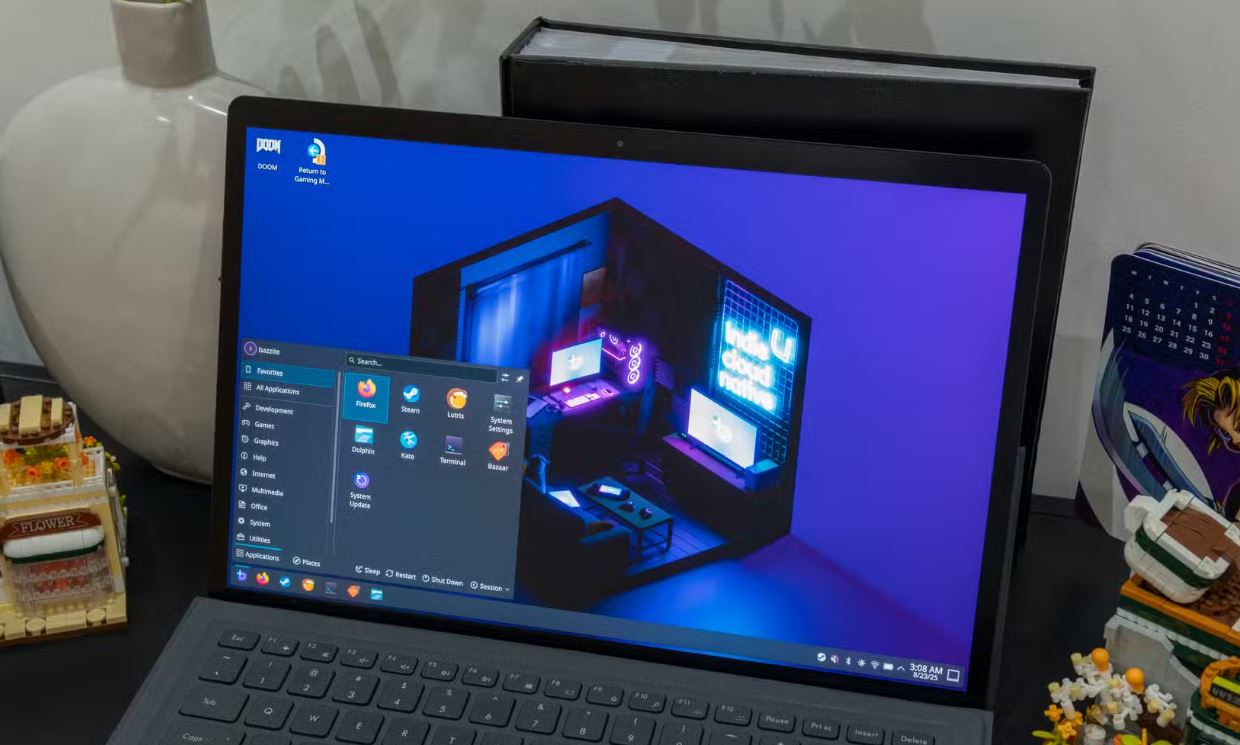
The operating system now represents a long-term strategy that reduces dependence on Microsoft Windows while giving Valve greater control over the gaming experience.
For gamers, this means:
- More platform options
- Greater hardware flexibility
- Potentially lower software costs
- A unified gaming ecosystem centered around Steam
The stronger SteamOS becomes, the more influence Valve gains over the future direction of PC gaming.
What This Means for Gamers
For consumers, a Steam Machine revival could create an entirely new category of gaming hardware.
Some players prefer the simplicity of consoles, while others enjoy the freedom of PCs. A modern Steam Machine could combine elements of both experiences.
Users could access their existing Steam libraries, enjoy console-style navigation, and benefit from the flexibility traditionally associated with PC gaming.
If executed properly, this concept may finally find the audience that eluded it a decade ago.
Final Thoughts
The original Steam Machine may have arrived before the technology and market were ready. In 2026, the situation looks very different.
Thanks to the success of the Steam Deck, improvements in Proton compatibility, and expanding SteamOS support for desktop hardware and Nvidia graphics cards, Valve’s long-term vision is beginning to look far more realistic.
While no official Steam Machine revival has been announced, the foundation is clearly being built. The idea of a console-like gaming PC running SteamOS no longer feels like a failed experiment. Instead, it may represent one of the most interesting directions for the future of PC gaming.
If Valve continues down this path, Steam Machines could finally get the second chance they never had the first time around.
The post Steam Machines Could Be Making a Comeback as Valve Expands SteamOS appeared first on trendblog.net.