
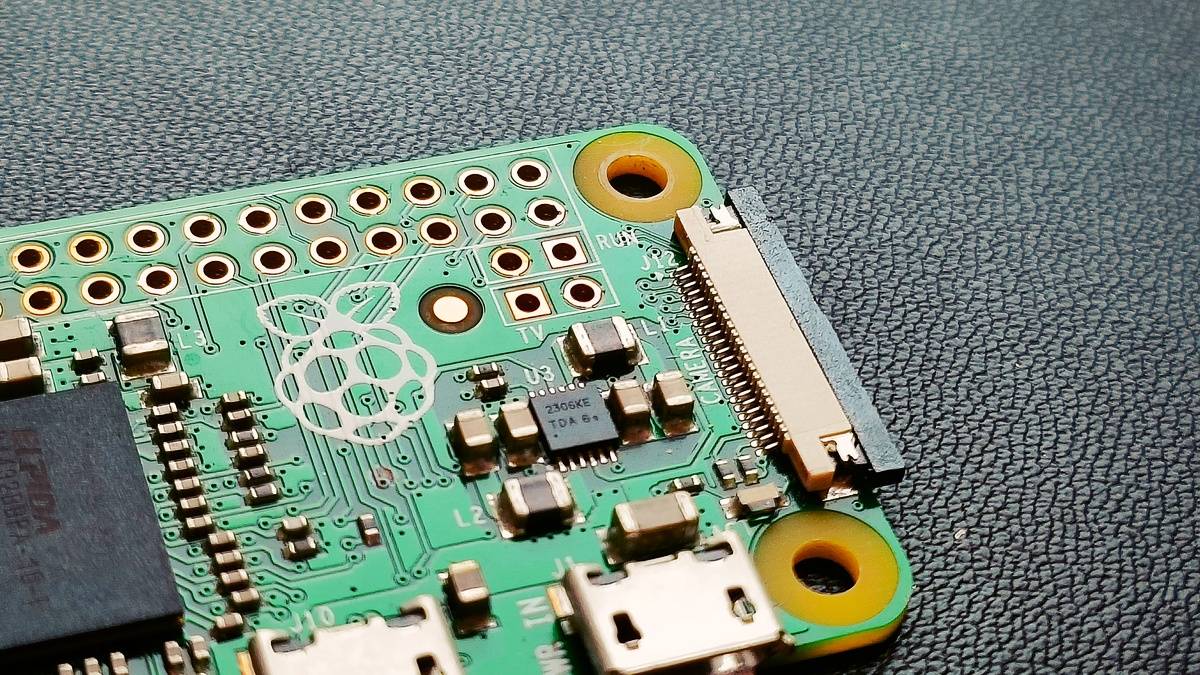
The Raspberry Pi Zero can still be used for projects, but finding one at its original price is difficult. This guide explains the current situation and offers alternatives for various project needs.
The Raspberry Pi Zero’s Price Problem
For years, the Raspberry Pi Zero was the go-to choice for a cheap, small computer, typically costing just $15. It was ideal for projects like Pi-hole ad blockers or DIY dashcams. However, current listings for the Raspberry Pi Zero are frequently between $40 and $90, with many settling around $60.
This price increase isn’t due to a change in the official price from Raspberry Pi. Instead, it’s a combination of scarcity, reseller markups, and a broader memory shortage affecting the single-board computer market. While the base price remains $15 theoretically, finding one at that cost is extremely challenging.
Raspberry Pi has acknowledged that increases in their 2GB and larger models are due to rising DRAM and flash memory costs. They did not anticipate similar price hikes for the Zero lineup, as they still had a supply of the older LPDDR2 memory used in the Zero 2 W.
Alternatives for General-Purpose Projects
If you need a board with a similar footprint and general capabilities to the Raspberry Pi Zero, the Orange Pi Zero 3 is a strong contender.
It features an Allwinner H618 quad-core chip and 4GB of RAM, plus gigabit Ethernet and Wi-Fi 5. This offers a significant upgrade over the Zero 2 W’s 512MB RAM and single wireless band.
The Orange Pi Zero 3 typically costs between $25 and $40. Another option is the Orange Pi Zero 2W, which offers similar wireless capabilities and memory options at a comparable price. These alternatives are often less expensive than current inflated Raspberry Pi Zero prices.
While Orange Pi boards perform well for tasks like headless servers, Pi-hole, or Home Assistant, the software experience may not be as seamless as Raspberry Pi OS. You might need to rely on Armbian or other community images, which can require more setup for first-time users.
Alternatives for Specific Needs
For projects requiring GPIO pins, the Banana Pi BPI-M2 Zero is a suitable alternative. It shares the same physical layout as the Raspberry Pi Zero, making it a direct drop-in replacement for many existing projects. This board generally ranges from $18 to $25.
While not as powerful as newer chips, the Banana Pi BPI-M2 Zero is sufficient for basic automation and sensor tasks without needing enclosure modifications or rewiring. It maintains compatibility with many Raspberry Pi accessories designed for GPIO use.
If size is not a primary concern and your project requires more performance, faster storage, or better multitasking, consider the Le Potato.
This board costs around $35, uses an Amlogic S905X chip with 64-bit cores, and retains GPIO pin compatibility. It’s larger than a Zero but offers more power for home servers or retro gaming setups.
For projects that don’t require a full Linux system, such as reading sensors or simple Wi-Fi automations, an ESP32 development board is a more efficient choice. These boards cost well under $15, consume less power, and can be paired with ESPHome for instant booting and no need for an SD card.
Key Features to Consider
When selecting an alternative, consider the specific requirements of your project. If you need a direct physical replacement for the Raspberry Pi Zero, the Banana Pi BPI-M2 Zero is a good choice, costing between $18 and $25.
For general-purpose headless computing that needs better specs, the Orange Pi Zero 3, priced around $25 to $40, offers significant performance gains.
If your project is outgrowing the Zero’s size constraints and requires more processing power, the Le Potato at approximately $35 is a viable option. For simple, low-power tasks where Linux is overkill, ESP32 development boards are highly cost-effective, typically costing less than $15.
The Orange Pi Zero 3, for example, comes with 4GB of RAM and gigabit Ethernet, a substantial upgrade for network-intensive projects. Its Allwinner H618 processor provides ample power for home servers and lightweight Linux applications, often at a lower cost than an inflated Raspberry Pi Zero.
Finding and Installing Alternatives
To install an operating system on alternatives like the Orange Pi Zero 3 or Banana Pi BPI-M2 Zero, you will typically use an imaging tool similar to Raspberry Pi Imager. You will need to download the appropriate OS image for your chosen board from the manufacturer’s website or community forums.
For boards like the Orange Pi, Armbian and community images are common. These can be flashed onto a microSD card using tools like Balena Etcher or Raspberry Pi Imager. Ensure you select the correct image for your specific board model to avoid compatibility issues.
If you encounter issues, checking the manufacturer’s documentation or relevant community forums is crucial. Unlike the official Raspberry Pi OS, the software support for some alternatives might rely more heavily on community contributions and may require more advanced troubleshooting.
Frequently Asked Questions
Why is the Raspberry Pi Zero so expensive now?
The Raspberry Pi Zero is expensive due to scarcity and reseller markups, not an official price increase. While listed at $15, market availability means many sellers charge between $40 and $60.
What is a good general-purpose alternative to the Raspberry Pi Zero?
The Orange Pi Zero 3 is a strong alternative, offering more RAM (4GB) and better connectivity for around $25 to $40.
Which alternative is best if I need GPIO pins?
The Banana Pi BPI-M2 Zero is designed to physically mirror the Raspberry Pi Zero’s layout, making it ideal for projects requiring GPIO compatibility. It typically costs between $18 and $25.
Is there an alternative for projects that don’t need Linux?
Yes, ESP32 development boards are excellent for simpler tasks like sensor reading or Wi-Fi automations. They cost under $15 and consume less power than a full single-board computer.
Are alternative boards as easy to set up as the Raspberry Pi Zero?
Generally, no. While boards like the Orange Pi can be used for headless servers with community OS images, they may not offer the same out-of-the-box ease of use and software polish as Raspberry Pi OS.
The post Raspberry Pi Zero alternatives: Get 4GB RAM Orange Pi Zero 3 for $25-$40 appeared first on trendblog.net.