
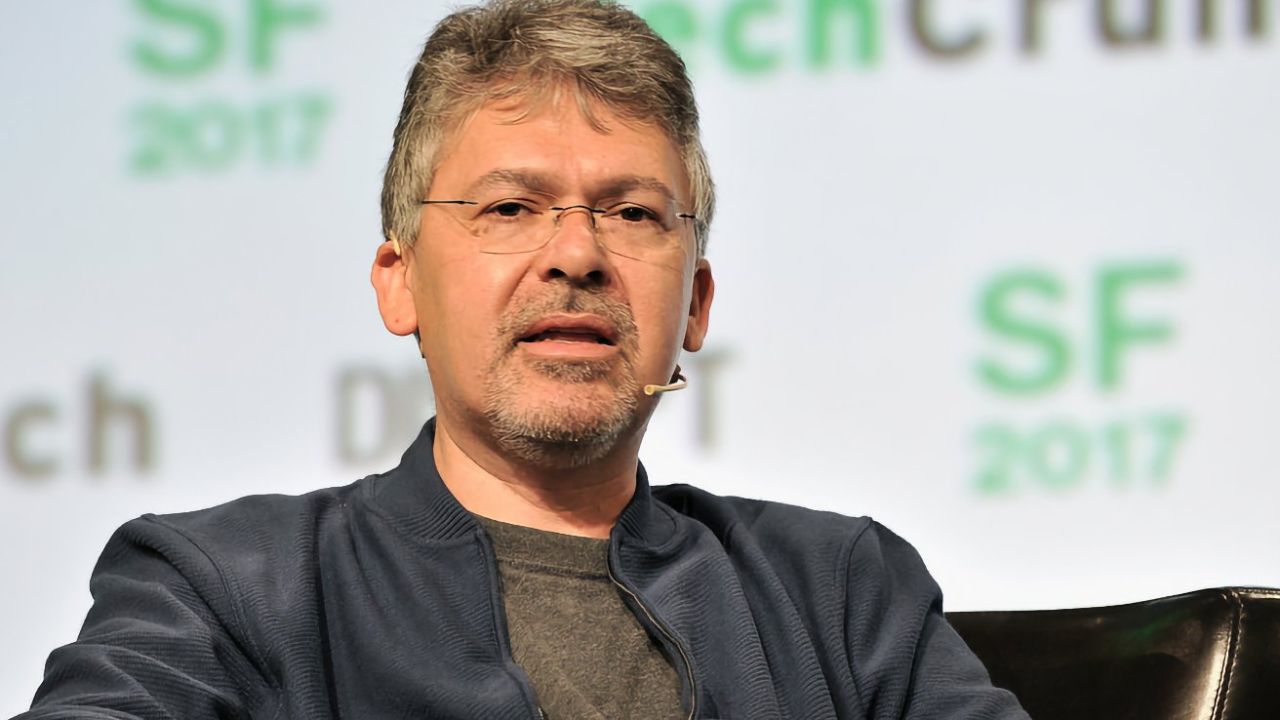
The news of John Giannandrea leaving Apple marks a major shift in the company’s artificial intelligence strategy. As one of the key figures behind Apple’s AI and machine learning efforts, his departure signals a transition at a critical time when the tech industry is rapidly evolving.
Giannandrea, who joined Apple in 2018 after leading AI at Google, has played a central role in shaping Apple’s approach to AI. However, recent announcements confirm that he is stepping down from his position and will fully exit the company in 2026.
Why John Giannandrea Is Leaving Apple
Apple officially announced that Giannandrea would step down from his role as Senior Vice President of Machine Learning and AI Strategy and transition into an advisory position before retiring in early 2026.
This move appears to be part of a planned leadership transition rather than a sudden exit. However, timing is important. His departure comes at a moment when Apple is facing increasing pressure to compete in the AI race against companies like Google, Microsoft, and OpenAI.
Reports also suggest that by early 2026, Giannandrea’s responsibilities had already been reduced, and he was expected to leave the company fully after his contract-related obligations were completed.
His Role and Impact at Apple
When Giannandrea joined Apple, it was considered a major hire. He was previously the head of AI and search at Google, making him one of the most respected figures in the field.
At Apple, he led key areas such as:
- Machine learning research
- AI infrastructure
- Search and knowledge systems
- Development of Apple’s internal AI models
Under his leadership, Apple built a strong foundation in AI, especially in areas like on-device processing and privacy-focused machine learning.
He also contributed to long-term projects, including improvements to Siri and the development of what Apple now calls “Apple Intelligence.”
Leadership Changes Inside Apple
Alongside Giannandrea’s departure, Apple has already started restructuring its AI leadership.
The company has appointed Amar Subramanya, a former executive from both Google and Microsoft, as Vice President of AI. He will report to Craig Federighi and lead critical areas like AI models, research, and safety.
At the same time, Apple has redistributed responsibilities across other executives, including Eddy Cue and Sabih Khan, to better align AI efforts with the company’s broader strategy.
This restructuring shows that Apple is not just replacing one leader but reorganizing its entire AI division.
Was There Pressure Behind the Exit?
While Apple describes this as a planned retirement, the timing has raised questions.
There have been ongoing concerns that Apple is lagging behind competitors in AI innovation, especially in areas like generative AI and conversational assistants.
For example:
- Siri has struggled to match the capabilities of modern AI assistants
- Apple has been slower to roll out advanced AI features compared to rivals
- Internal projects reportedly faced delays and technical challenges
Some reports suggest that control of Siri was already shifted away from Giannandrea before his departure, indicating internal changes in direction.
This does not necessarily mean failure, but it does highlight the intense pressure Apple faces to catch up in the AI space.
What This Means for Apple’s AI Strategy
Giannandrea’s exit marks the end of an important chapter for Apple, but it also opens the door for a new direction.
Apple appears to be focusing on:
- Faster AI development cycles
- Stronger leadership integration across teams
- More visible AI features for users
- Improved Siri and personalized experiences
With new leadership in place, Apple is likely to accelerate its efforts to compete with other tech giants.
The company has already hinted at major updates, including a more advanced version of Siri and deeper AI integration across its ecosystem.
Industry Context: The AI Talent War
Giannandrea’s departure also reflects a broader trend in the tech industry.
There is currently intense competition for top AI talent, with companies like Google, Microsoft, Meta, and Apple all investing heavily in AI research and development.
Leadership changes, hiring shifts, and executive transitions are becoming more common as companies try to stay ahead.
Apple’s move to bring in new leadership with experience from both Google and Microsoft shows that it is actively adapting to this competitive environment.
Final Thoughts
The departure of John Giannandrea from Apple is not just a leadership change. It represents a turning point in the company’s AI journey.
While he helped build the foundation of Apple’s AI capabilities, the next phase will likely focus on faster innovation and more visible user-facing features.
For Apple, the challenge is clear. It needs to move quickly while maintaining its core values of privacy, performance, and ecosystem integration.
For users and the tech industry, this transition will be worth watching closely. The decisions Apple makes now could shape its position in the AI race for years to come.
The post John Giannandrea Leaving Apple: What It Means for Apple’s AI Future appeared first on trendblog.net.