
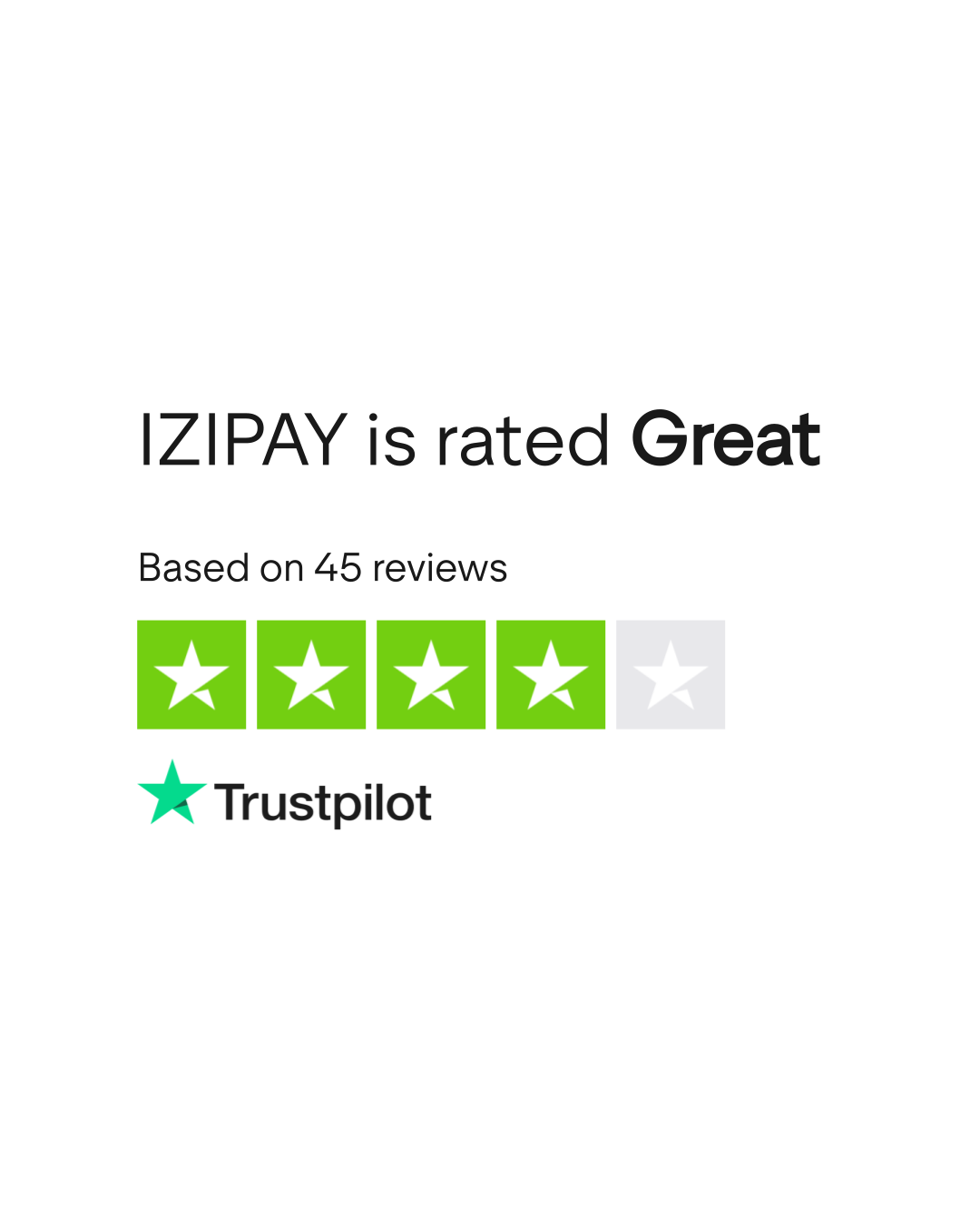
Crypto cards are everywhere now, and most “reviews” of them read like ads. This one tries not to. Below is a straight look at IZIPAY — a no-KYC crypto debit card that lets you spend USDT, USDC, BTC, ETH, and SOL anywhere Visa or Mastercard is accepted — including what it does well, where it falls short, and who should probably look elsewhere.
If you are weighing it up as a way to spend crypto on travel, subscriptions, freelance income, or everyday purchases without handing over your ID, here is what you actually need to know.
Quick Verdict
IZIPAY is a genuinely useful tool for a specific kind of user: someone who already holds crypto and wants to spend it in the real world with as little friction and paperwork as possible. The no-KYC standard spending, broad card acceptance, and Apple Pay / Google Pay support are the real draws. It is not a bank, it is not fee-free, and like any crypto product it deserves a bit of due diligence before you load large amounts. Used the right way, it does the job well.
Our assessment (editorial, out of 5):
| Category | Score | Notes |
|---|---|---|
| Privacy / no-KYC | 4.5 | No mandatory ID for standard spending |
| Card acceptance | 4.5 | Works on any eligible Visa/Mastercard checkout |
| Crypto support | 4.0 | USDT, USDC, BTC, ETH, SOL covered |
| Fees | 3.5 | No monthly fee, but issuance and conversion fees apply |
| Ease of use | 4.0 | Fast virtual card, familiar checkout flow |
| Transparency | 3.5 | Verify current pricing and country availability yourself |
What Is IZIPAY?
IZIPAY is a crypto-funded card provider. You top the card up with cryptocurrency, the provider converts it to a spendable balance, and you pay like you would with any debit card. The merchant never sees crypto — they just see a normal card payment.
It comes in two forms: a virtual card issued almost instantly for online use, and a physical card for in-person spending and ATM access where supported. Both work with Apple Pay and Google Pay, so you can tap to pay from your phone.
The headline feature is that standard spending does not require KYC — no document uploads, no waiting on verification for everyday use.
The Features That Actually Matter
- No mandatory KYC for standard spending, which is the main reason most people choose it.
- Spend anywhere Visa/Mastercard is accepted — airlines, hotels, shops, online stores, subscription services.
- Virtual and physical cards, so you are covered both online and in person.
- Apple Pay and Google Pay support for contactless payments and an extra layer of security abroad.
- Multiple cryptocurrencies — USDT, USDC, BTC, ETH, and SOL.
- No monthly maintenance fee, so the card does not cost you anything while it sits idle.
- Stablecoin support, which makes budgeting predictable when you do not want price swings between top-up and purchase.
The Pros
Privacy without the runaround. The clearest advantage. For users who value not having every purchase tied to a verified bank profile, skipping mandatory KYC for routine spending is a real, practical benefit.
It works where crypto-native checkouts do not. This is the underrated part. You are not limited to merchants that accept Bitcoin directly. Because the card behaves like a normal Visa/Mastercard, your crypto effectively works at any store, airline, or platform that takes cards — which is almost all of them.
Fast to start. A virtual card can be issued and funded quickly, so you can go from “I hold USDT” to “I just paid for this” without an exchange withdrawal to a bank account.
Good fit for real situations. Travel, paying for global subscriptions and AI tools, receiving and spending freelance income in crypto, and covering relocation costs are all areas where the card genuinely removes friction.
Sensible for budgeting. Funding with stablecoins keeps your spending power flat, so a $600 booking stays a $600 booking.
The Cons (the honest part)
No product is all upside. Here is what to weigh before committing.
You are spending your crypto. Unless you fund with stablecoins, the value you load can move before you spend it. That is the nature of any crypto card, not a flaw unique to IZIPAY, but it is worth saying plainly.
It is not free. There is no monthly fee, but a one-time card issuance cost and conversion/foreign-exchange fees apply. Whether it is cheaper than your alternatives depends entirely on how you use it — so check the live pricing page and run the numbers for your own spending.
No-KYC can mean tiers. Convenience usually has a ceiling. Higher limits or certain advanced features may require verification, so do not assume “no KYC” means “no limits ever.”
It is a card, not a bank. There is no credit line, no interest, and no deposit insurance. Refund and dispute handling on a crypto-funded card can also work differently from a traditional bank card, which matters for big purchases.
Availability and rules vary by country. Crypto-card regulations differ across regions. Confirm it is supported and compliant where you live before relying on it.
Do your own due diligence. As with any crypto service, it is sensible to start with a smaller balance, test how top-ups and payments behave, and confirm support responsiveness before loading large amounts. This is general good practice, not a knock on the product.
Who It’s Best For
- Privacy-conscious users who want to spend crypto without a verified bank trail.
- Digital nomads and frequent travellers who get declined by home bank cards abroad.
- Freelancers and remote workers paid in crypto who want to spend it directly.
- People paying for international subscriptions, SaaS, or AI tools that their local cards struggle with.
- Anyone underserved by traditional banking who still needs card-based payments.
Who Should Look Elsewhere
- Anyone wanting a fully regulated bank account with deposit protection and a credit line.
- Users who need a genuinely zero-fee solution for very high volumes.
- People in countries where the card is not supported.
- Anyone uncomfortable converting crypto to a spendable balance in the first place.
How It Compares
Most crypto cards split into two camps: heavily regulated, KYC-first cards from large exchanges, and privacy-focused, no-KYC cards like IZIPAY. The exchange cards often add rewards and tighter fiat integration, but require full identity verification and can freeze or restrict accounts. IZIPAY trades some of that institutional polish for privacy, speed, and fewer hoops. Which is “better” depends on whether you are optimising for rewards and regulation, or for privacy and flexibility.
Getting Started
The setup is straightforward: create an account on the registration page, issue a virtual card, fund it with a supported cryptocurrency (stablecoins if you want predictable value), and pay at any normal card checkout. Add it to Apple Pay or Google Pay if you want to tap in person.
FAQ
Is IZIPAY really no-KYC? Standard, everyday spending does not require identity verification. Some advanced features or higher limits may, so treat “no-KYC” as applying to routine use.
Which crypto should I load? USDT or USDC if you want your balance to stay stable; BTC, ETH, or SOL if you are comfortable spending them at market value.
Can I use it abroad? Yes — it works on any eligible Visa/Mastercard checkout, and adding it to a mobile wallet helps avoid the foreign-decline problems that hit ordinary bank cards.
Are there fees? No monthly fee, but expect a one-time issuance cost and conversion/FX fees. Check the current pricing before you commit.
Final Word
IZIPAY does exactly what it sets out to do: it turns crypto into spendable money with minimal paperwork and broad acceptance. It is not pretending to be a bank, and you should not treat it like one. But for spending crypto on travel, subscriptions, freelance life, or day-to-day purchases — especially if privacy matters to you — it is one of the more practical no-KYC options available in 2026. Just fund it sensibly, verify the current terms for your country, and start small.
This review is for general information only and is not financial advice. Crypto products and their fees, limits, and availability change and vary by region — always confirm the current terms on the provider’s site and do your own research before loading funds.
The post An Honest IZIPAY Review (2026): Is This No-KYC Crypto Card Worth It? appeared first on trendblog.net.