
The latest Magic: The Gathering (MTG) Banned and Restricted Announcement has introduced several important format changes, with the biggest headline being the banning of Candelabra of Tawnos in Legacy. Wizards of the Coast also made adjustments to Pauper and Brawl, while leaving formats like Standard, Modern, Pioneer, and Vintage unchanged.
Although this update isn’t as sweeping as some previous announcements, it targets specific cards that have had an increasing impact on competitive play and overall format health. The changes took effect on June 29, 2026, with the next scheduled Banned and Restricted announcement set for August 10, 2026.
Candelabra of Tawnos Banned in Legacy
The biggest change in this announcement is the banning of Candelabra of Tawnos in the Legacy format.
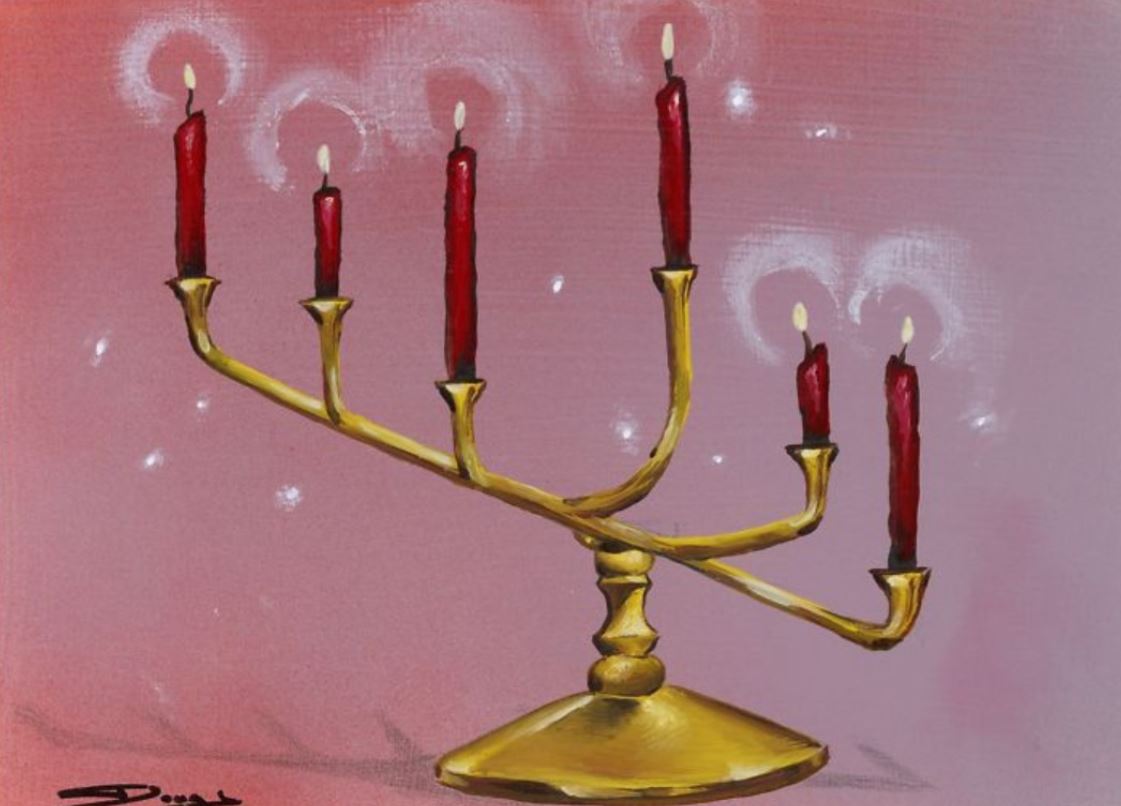
According to Wizards of the Coast, the artifact had become a key piece in powerful mana-generation strategies, particularly within Colorless Tron and High Tide-style decks. The card’s ability to repeatedly untap lands allowed players to generate enormous amounts of mana, creating gameplay patterns that were becoming increasingly difficult to balance.
Rather than banning multiple support cards, Wizards chose to remove Candelabra of Tawnos itself, believing it posed the greatest long-term risk to the format.
For Legacy players, this decision is expected to reduce explosive combo turns while allowing other archetypes to remain competitive.
Pauper Receives One Ban
Pauper also saw a significant adjustment.
Seeker of Skybreak has been banned following the emergence of new infinite combo interactions made possible by recently released cards. The combo quickly became a concern for competitive play, prompting Wizards to act before it could dominate upcoming tournaments.
By removing a single combo piece instead of multiple cards, the developers hope to preserve overall format diversity while preventing unhealthy gameplay patterns.
Multiple Cards Banned in Brawl
The largest number of changes came to Brawl.
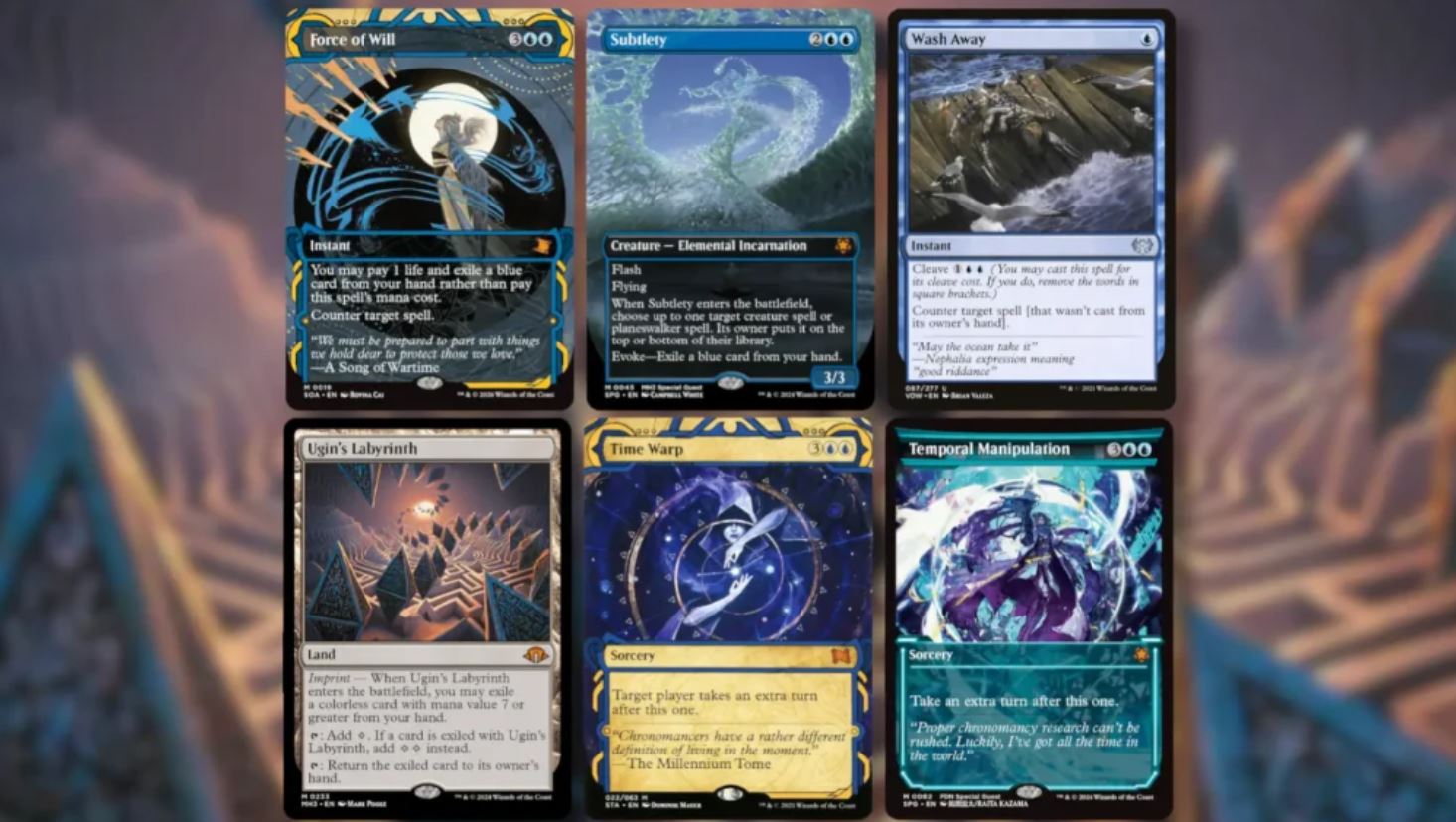
The following cards are now banned:
- Force of Will
- Subtlety
- Wash Away
- Ugin’s Labyrinth
- Time Warp
- Temporal Manipulation
Wizards explained that, with Competitive Brawl now existing as a separate format, regular Brawl is intended to become a more casual and enjoyable experience. The newly banned cards were viewed as creating repetitive gameplay, excessive counterspell interaction, and frustrating extra-turn strategies that reduced overall format diversity.
These changes are designed to encourage a wider variety of commanders and slower, more interactive matches.
No Changes for Most Competitive Formats
Several popular formats remain unchanged in this update.
There are no changes for:
- Standard
- Pioneer
- Modern
- Vintage
- Alchemy
- Historic
- Timeless
- Competitive Brawl
Wizards stated that these formats currently appear healthy and continue evolving naturally without requiring immediate intervention.
For competitive players, this means existing deck archetypes in these formats can continue without disruption.
Why Wizards Made These Changes
Banned and Restricted updates are intended to keep Magic’s formats balanced and enjoyable over the long term.
Instead of reacting only after a deck completely dominates tournament results, Wizards increasingly takes a proactive approach when specific cards begin limiting deck diversity or creating repetitive gameplay.
In this announcement, the focus was on:
- Preventing unhealthy combo strategies
- Improving long-term format balance
- Encouraging greater deck diversity
- Reducing frustrating gameplay experiences
This philosophy has become more common as Magic continues introducing powerful new cards across multiple product releases.
Community Reaction
As expected, the announcement has generated mixed reactions across the Magic community.
Many Legacy players agree that Candelabra of Tawnos had become increasingly problematic, although some were surprised Wizards chose to ban such a rare and historically significant card instead of targeting other pieces of the strategy. Others believe the decision protects the long-term health of the format without completely eliminating popular archetypes.
Brawl players have generally welcomed the effort to make the format more casual, though some competitive players argue that several of the banned counterspells were important tools for controlling powerful commanders.
What Happens Next?
With these changes now in effect, players will spend the coming weeks adapting their decks and testing new strategies.
Legacy deck builders will likely search for alternative mana engines, while Brawl players may begin experimenting with commanders that previously struggled against free counterspells and extra-turn strategies.
Wizards has already confirmed that the next Banned and Restricted Announcement is scheduled for August 10, 2026, meaning additional adjustments could arrive if any format becomes unbalanced during the summer tournament season.
Final Thoughts
The latest MTG Banned and Restricted Announcement focuses on improving competitive balance without dramatically reshaping the game’s most popular formats.
The headline change is the Legacy ban of Candelabra of Tawnos, while Pauper and Brawl also receive targeted updates aimed at reducing unhealthy gameplay patterns. Meanwhile, Standard, Modern, Pioneer, and several other formats remain untouched, signaling Wizards’ confidence in their current state.
For Magic players, these updates represent another step toward maintaining a healthy and diverse competitive environment as the game continues to evolve throughout 2026.
The post MTG Banned and Restricted Announcement: Major Legacy and Brawl Changes Explained appeared first on trendblog.net.